Редакционная заметка
Ardabi Maulet PhD in Art Studies, Head of the Department of Kazakh Traditional Culture at the Scientific Research Institute of Cultural Heritage, National Museum of the Republic of Kazakhstan Betashar is one of the most striking and widely practiced traditions in the spiritual life of the Kazakh people. Its recognition as part of the world’s intangible cultural heritage, its transmission from generation to generatio…
BETASHAR
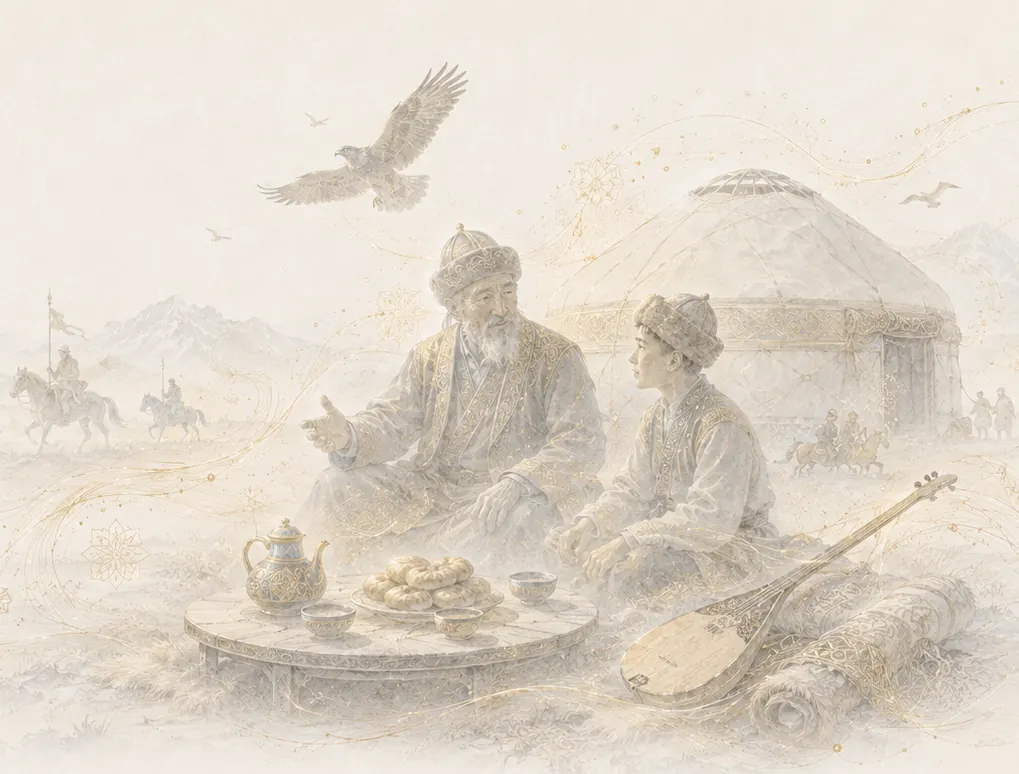
Ardabi Maulet PhD in Art Studies, Head of the Department of Kazakh Traditional Culture at the Scientific Research Institute of Cultural Heritage, National Museum of the Republic of Kazakhstan Betashar is one of the most striking and widely practiced traditions in the spiritual life of the Kazakh people. Its recognition as part of the world’s intangible cultural heritage, its transmission from generation to generation, and its survival to the present day all demonstrate the vitality of this custom. There are no precise records of exactly when it first appeared; however, accounts by scholars and travelers in past centuries suggest that Betashar has long been part of Kazakh social life. Betashar is a ritual performed at a bride’s kelinsu (entry into her husband’s family) сында да қолданылады. Беташар басқа түркі тілдес халықтардың үйлену тойла- рында кездеседі. Атап айтқанда, көрші ха- лықтардан қырғыздарда «бетачар», өзбек- терде «беточор», татарларда «бит ачар» және т.с.с. Сонымен қатар, беташар жыры ноғай, башқұрт, қарақалпақ халықтарында сақталған. Бұл байырғы түркі халықтары- на тән беташардың ғасырлар бойы сақта- лып, атадан-балаға мұра болып бүгінгі за- манға дейін жалғасып келе жатқандығын көреміз. Заманның заңғар жазушысы Мұхтар Əуезов беташардың маңызы мен мұраты жөнінде былай дейді: «...Беташар өлеңінің не мақсаттан туып, не үшін айтылатынын тексерсең, мұнда үлкен мағына бар екенін айыру қиын емес. Беташар беті ашылған жастың бетін ашып, өмір таныту, əрбір елдің өзі қолданған жол-жобасын түсін- діру. Тəжірибесіз жас əйел жаңа өмірге кіріп, жаңа қауымның ортасына келген- де, сол қауымның қадірлі, құрметті үлкен- дерін тануға керек. Солардың əрқайсы- сының орнын білу керек. Жаңа қауымның қадірлейтіні кім, ұлық тұтып, сыйлайтыны кім, жастай еркелетіп аялайтыны кім, жас келіннің бұларды топ алдында танып, біліп алуы қажет. Үлкендердің алдында келін- нің тəжім қылуы сол жаңа шарттарға көн- дім, қабыл алдым дегенінің белгісі. Екінші үлкен мағына: беташарда қазақ елі жаңа түскен келінді келешекте ана болуға, қадірлі келін, үлгілі жеңге болуға үйретеді. Бұл өлеңнен қазақ жұртының əйелге жал- пы көзқарасы білінеді. Əйел – үй ішінің, ауылдың, ағайын ортасының ұйытқысы. Солардың жарастығы, гүлі, берекесі. Күй- еудің сүйеніші, тірегі. Дос тауып, туысқан құрып беретін көмекшісі, досы. Өлеңде сол міндеттер толық айтылады». Беташар дәстүрі өміршең, ол ұр- пақтан-ұрпаққа жалғаса береді. Әлі мән-мағынасын, тәрбиелік мәнін жойған жоқ. Тек уақыт ағымына қарай, заман та- лабына сай орындалуында аздаған өзгері- стер болуы мүмкін. Ал жалпы алғанда түп- кі мәні сақталады. Дүниежүзілік тізімдерге қосу: Беташар ғұрпы – Қазақстан атынан Асун- сьон қаласында (Парагвай Республикасы) ceremony. The new bride is secluded by a covering (a shymyldyk) and during the wedding she must not reveal her face until a special moment in the ritual. The custom of removing the veil (or uncovering the face) is essential, and it continues today. The historian Muhammad Haidar Dulati noted that, in old times, the covering placed over the bride was called koshüge. Traditionally, Betashar has been conducted by an elder with a reputation for eloquence, someone well-known for poetry, or a capable young man deeply familiar with customary law and ritual. A man always performs Betashar. The person who leads the ceremony introduces the bride to assembled guests – relatives, neighbors and describes her place and responsibilities, giving advice concerning her new role. Only after this is her face unveiled, often using a whip or a staff wrapped with white cloth (or in some regions, a red cloth tied to reed). In the Sır region (Syr-Area), in Tereneözek, rather than a whip, a red cloth bound to a blade of reed is used. The red cloth symbolizes protection from the evil eye; the whip (or its symbolic equivalent) stands for strength and endurance; the reed, for fertility and a flourishing lineage. That method of unveiling the bride’s face with reed is specific to the Sır region. More recently, the veil is sometimes removed by gently touching it with the tip of the dombra (traditional stringed instrument). Betashar exists not just within Kazakhstan but also among ethnic Kazakhs living abroad. Other Turkic peoples have analogous practices: for example, among the Kyrgyz it is known as betachar, among the Uzbeks as betochor, and among the Tatars as bit achar, etc. The custom is also preserved by Nogais, Bashkirs, and Karakalpaks. This shows that Betashar is an ancient Turkic ritual, passed down from parent to child over centuries, still alive today. The great writer Mukhtar Auezov said about Betashar’s purpose: “If one examines the origins of Betashar poems and the reasons they are recited, one easily discerns their deeper meaning. Betashar unveils the face of a young wife, introduces life, and explains how things are done in each people. When an inexperienced young woman enters a new family, into a new community, she ЮНЕСКО-ның Материалдық емес мәдени мұраны қорғау жөніндегі Үкіметаралық ко- митетінің 2024 жылдың 4 желтоқсанында өткен 19-сессиясында Адамзаттың мате- риалдық емес мәдени мұрасының репре- зентативтік тізіміне енгізілді (https://www. gov.kz/memleket/entities/mfa/press/region- news/details/22399?lang=kk). must learn who is respected, who is honored, who is kind, who the elders are, who cares for the young, and she must recognize and know all these people. Her bowing before the elders is a sign that she accepts the new conditions and submits to them. Another great meaning: in Betashar the people teach the new bride to become a mother in the future, to become a respected daughter-in-law, a model sister- in-law. From this poem one sees the Kazakh attitude to women: a woman is the heart of the home, of the village, of the kin. Harmony, bloom, well-being depend on her. She is the support of her husband, a helper and friend, someone who builds family ties.” The Betashar tradition remains very much alive; it has not lost its meaning or its educational value. As time passes, small changes may occur – adaptations to social conditions, venue, or style – but its essential purpose remains intact. Inclusion in the World Lists: The betashar ceremony, on behalf of Kazakhstan, was inscribed on the Representative List of the Intangible Cultural Heritage of Humanity at the 19th session of the Intergovernmental Committee for the Safeguarding of the Intangible Cultural Heritage, held on 4 December 2024 in Asunción, Republic of Paraguay. (https://www. gov.kz/memleket/entities/mfa/press/region- news/details/22399?lang=kk). KORKYT ATA HERITAGE:
EPIC, LEGENDS AND MUSIC
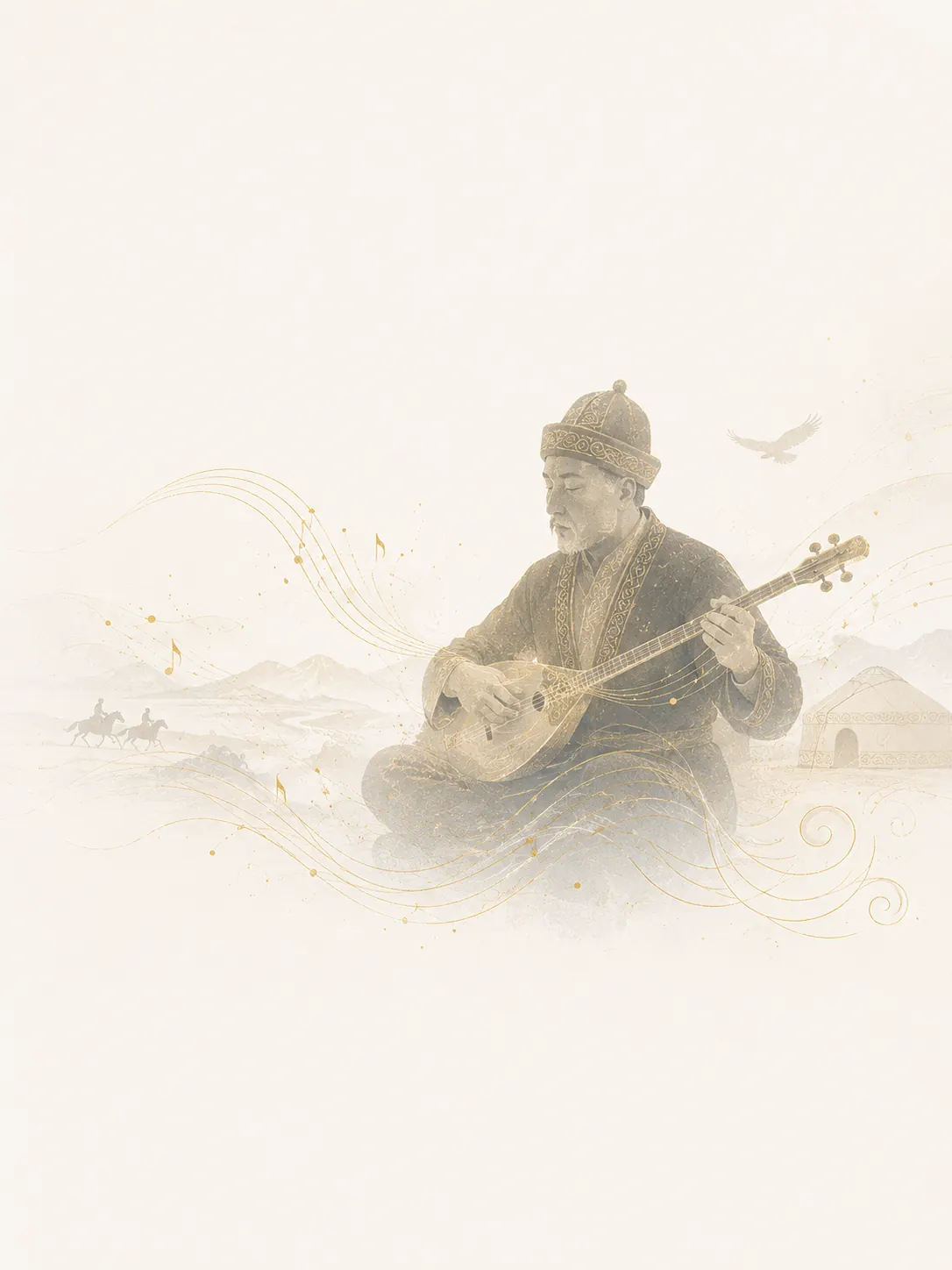
Nurlan Bakhtiyarov zhyrau, folklorist, specialist teacher of subject disciplines. Museum Director of “Korkyt Ata”, Memorial Museum (state communal institution) of the Department of Culture, Archives and Documentation of Kyzylorda Region Legends and stories about Korkyt Ata have been widely known among the Kazakh people since ancient times. Korkyt Ata, considered the great ancestor of all Turkic nations, was a renowned bard, kobyz player, visionary shaman, and historical figure who left behind an enduring legacy. He was born in the city of Zhanakent on the banks of the Syrdarya River and he passed away near the Korkyt station in the Karmakshy district.