Редакционная заметка
Raqysh Zh.S. PhD in Philology, Director of the Manuscripts and Textology Center, M.O. Auezov Institute of Literature and Art The epic Alpamys Batyr is a vivid example of the oral epic tradition shared among Turkic peoples. It holds significance not only in the fields of folklore and literary studies but also in history and cultural anthropology. The heroic tale of Alpamys is widely known throughout the Turkic world,…
THE «ALPAMYS BATYR» EPIC
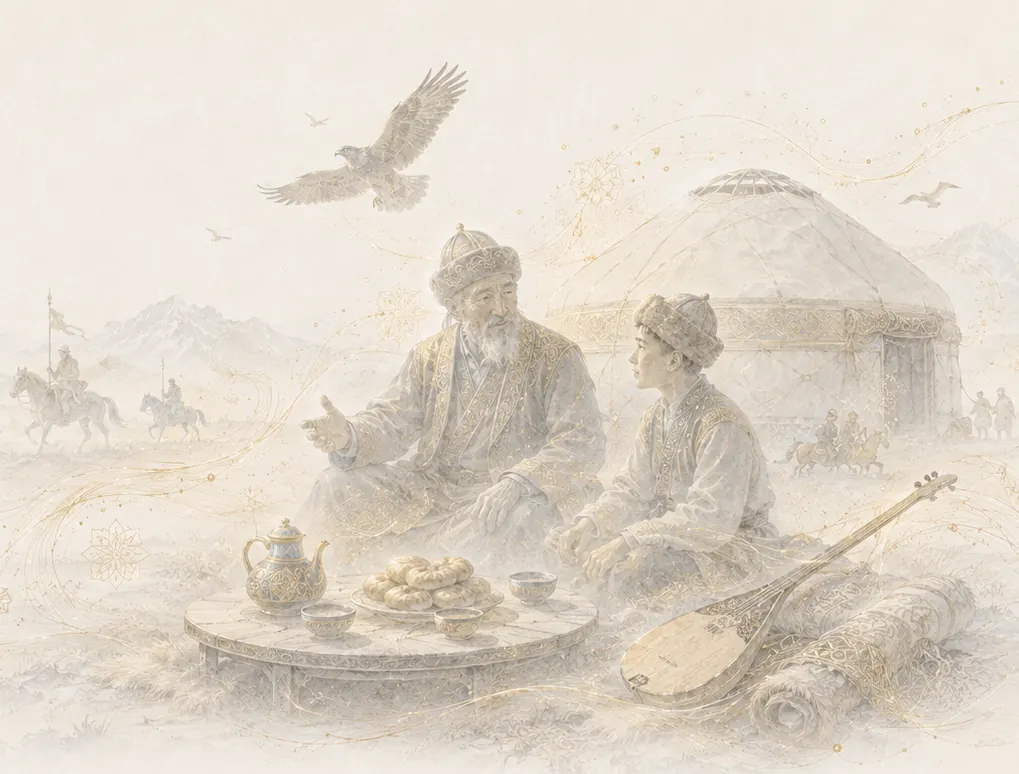
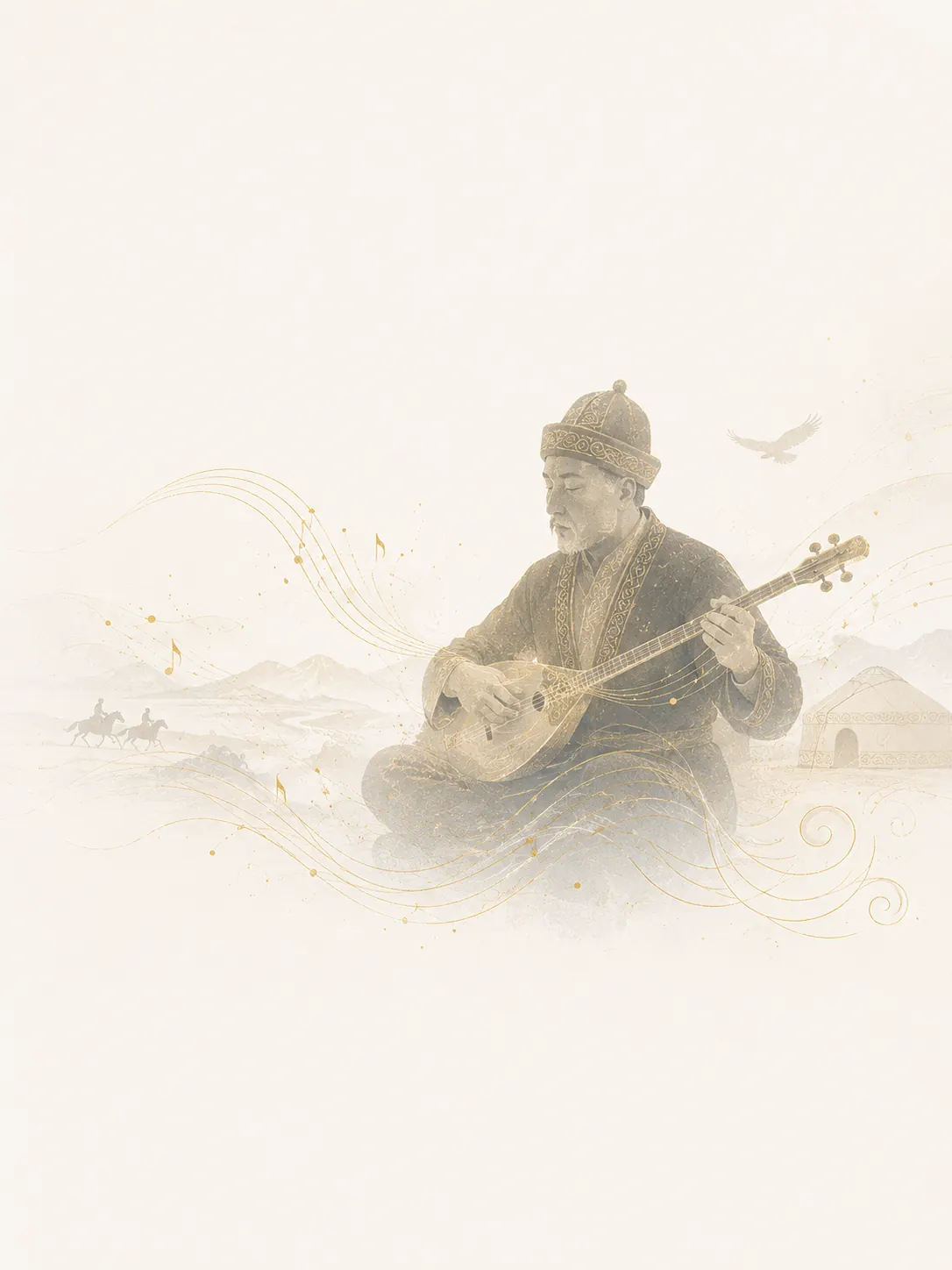
Raqysh Zh.S. PhD in Philology, Director of the Manuscripts and Textology Center, M.O. Auezov Institute of Literature and Art The epic Alpamys Batyr is a vivid example of the oral epic tradition shared among Turkic peoples. It holds significance not only in the fields of folklore and literary studies but also in history and cultural anthropology. The heroic tale of Alpamys is widely known throughout the Turkic world, and researchers believe its origins trace back to the era of the Turkic Khaganate. The epic exists in various regional versions: the Altai tradition features the heroic tale Alyp Manash; the Oghuz Turks preserve it in the story of Bamsi Beyrek in the Book of Dede Korkut; the Kipchak tradition includes versions such as the Bashkir Alpamys and Barsynkhylyu, the Siberian Tatar Alyp- Mamshyan, and the Tatar folktale Alpamsha. Among the Konyrat tribes, the epic survives as Alpamys in both Kazakh and Karakalpak cultures, and as Alpamysh in Uzbek tradition. The Kazakh version of the epic consists of two parts. The first recounts the miraculous birth of the hero, the traditional betrothal of infants, the selection of a worthy steed, and the hero’s trials of strength – horse racing, archery, wrestling, and more. The second part focuses on Alpamys’s struggle to defend his homeland from external threats. In Azerbaijan and Türkiye, a popular Anatolian version of Bamsi Beyrek centers around the dramatic motif of a husband unexpectedly returning during his wife’s wedding to another man. In the village of Masat, in Bayburt Province (Anatolia), there is a grave site believed to belong to Bamsi Beyrek. In Turkmenistan, two versions of the epic are performed: one is the standalone Alpamys, and the other aligns closely with the Oghuz narrative of Bamsi Beyrek. In Uzbekistan, the most widespread version of the epic comprises two main parts: Alpamysh’s journey to win his bride, including trials and contests, and his battle against the Kalmyk ruler Taishykhan, during which the hero is imprisoned for seven years before returning home victorious. Е.М. Сидоркиннің «Алпамыс батыр» қазақ халық эпосына арналған иллюстрациясы Illustration by Evgeny Sidorkin for the Kazakh folk epic “Alpamys Batyr” The tradition is passed down through a long-standing master-apprentice model, with experienced performers training children from a young age. Each regional school of performance is known for its unique style, characterized by distinct rhythms and vocal techniques. The mentor teaches the apprentice not only the storyline and traditional modes of performance but also how to play accompanying instruments, maintain stage presence, and choose suitable epics based on the audience and context. Within formal education, the epic is taught through literature and music classes in schools, conservatories, universities, and arts colleges. Research into the Alpamys Batyr epic continues actively in Kazakhstan. Under the state program Cultural Heritage (2004–2013), key manuscript versions of the epic were included in volumes 33–34 of the Babalar Sözi 100-volume series in 2006. In 2019, the S. Akkozhayev version was published in the first volume of the Steppe Folklore ten-volume Бұл жыр еліміздегі мектептер мен уни- верситеттерде әдебиет пен тарих пәндері аясында оқытылады. «Алпамыс батыр» эпосы Қазақстандағы 148 музыкалық мек- тептің оқу бағдарламасына енгізілген. Со- нымен қатар, барлық өңірлерде дәстүрлі ән-жырға негізделген және көркем өнер үйірмелері жұмыс істейді. Қазақстанда жырды сақтап отырған негізгі қоғамдастықтар Алматы, Қызылор- да және Түркістан облыстарының халық шығармашылығы орталықтары, «Руханият – Қызылорда» бірлестігі; Қаратау, Жетісу, Сырдария және Батыс Қазақстан жыр мек- тептері мен олардың белді өкілдері – Ақан Әбдуәлі, Ерболат Шалдыбеков, Шаттық Уатхан, Бекарыс Көштаев, Серік Сүйіндік, Ақжарқын Айтбай, Амандық Көмеков, Кіш- кене Жұмамұрат, Шұғыла Мархабатова, Аманқос Садықов, Гүлмарас Аманбаева, Берік Саймағамбетов, Ұлжан Байбосыно- ва, Марат Сүгірбай, Айбек Тәңірбергенов, Демеу Жолымбетов және т.б. Осы элементке қатысты құндылықтар ресми және бейресми білім беру мекеме- лерінде, мектептерде оқу бағдарламала- ры, қоғамдық іс-шаралар (спектакльдер, фильмдер, фестивальдар және т.б.), сон- дай-ақ отбасыдағы тәлім-тәрбие арқылы беріледі. Элементті орындаушының жасы- на, жынысына байланысты гендерлік шек- теу жоқ. Жыршылармен дәстүрлі орындаушы- лар ежелден қалыптасқан «ұстаз-шәкірт» дәстүрі аясында балаларды жастайынан осы өнерге баулиды. Аймақтық жыр мек- тептері мақам, ырғақпен орындау техни- касына қарай өзіндік ерекшелігімен си- патталады. Тәлімгердің міндеті – эпосты орындаудың аймақтық мәнерін үйрету. Ұстаз шәкіртіне эпостың сюжетін, дәстүрлі орындау техникасын, мақамын, музыкалық аспаптарды шертуді, көпшіліктің алдында өзін ұстауды және аудиторияның ыңғай- ына қарай қандай жырды таңдау керегін үйретеді. Ресми білім беру аясында эпос мектеп оқушыларына әдебиет, ән-күй са- бақтарында, музыкалық консерватория- лар, университеттер және өнер колледж- дерінде оқытылады. Қазақстанда эпосты зерттеу бойынша ғылыми жобалар қолға алынуда. «Мәдени кейіпкерлердің есімдеріндегі аздаған ай- ырмашылықтармен ғана ерекшеленеді. Барлық нұсқалардың басты кейіпкері – Ал- памыс батыр, негізгі тақырыбы – халықтың тәуелсіздік пен бейбіт өмір орнату жолын- дағы күресіне арналған. Эпосмерекелік іс-шараларда, жиын-тойларда, үйлену тойларында кәсі- би орындаушылар мен шәкірттерінің – жыршылардың (Қазақстан), бахшылар- дың (Өзбекстан), ашуктардың (Түркия, Әзербайжан), дастанчыбахшылардың (Түрікменстан) домбыра, қобыз (қазақ, қа- рақалпақ, өзбек), саз (түрік, әзербайжан), дутар (түрікмен) аспаптарының сүйемел- деуімен орындалады. Эпосқа қызығушылық танытушылар – ән-жыр сүйер көпшілік қауым, сондай-ақ білім ошағында арнайы пән ретінде дәріс алатын мектеп оқушылары мен колледж, жоғары оқу орындарының студенттері. Жырдың көптеген нұсқаларын ғылыми ұйымдардың ғалымдары мен мамандары зерттейді. Although the different national versions vary slightly in terms of time, setting, storyline, and character names, they all feature the central figure of Alpamys Batyr. The core theme across all versions is the hero’s fight for his people’s freedom and peaceful life. The epic is traditionally performed at public celebrations, gatherings, and weddings by professional performers and their apprentices: zhyrshy in Kazakhstan, bakhshi in Uzbekistan, ashuqs in Azerbaijan and Türkiye, and dastanchy-bakhshi in Turkmenistan. These performances are accompanied by traditional instruments such as the dombra, qobyz (Kazakh, Karakalpak, Uzbek), saz (Azerbaijani, Turkish), and dutar (Turkmen). Audiences for the epic include folk music enthusiasts, students in schools and universities, and scholars from research institutions. The epic is studied in Kazakhstan within literature and history curricula in both secondary schools and higher education. Alpamys Batyr has been included in the official curriculum of 148 music schools across the country. Moreover, traditional music and performance clubs operate in many regions, supporting continued interest in the art. In Kazakhstan, major communities preserving the epic tradition are based in Almaty, Kyzylorda, and Turkistan regions. These include the Regional Centers for Folk Creativity and the cultural association Rukhaniyat – Kyzylorda. Prominent regional schools include those in Karatau, Zhetysu, Syrdarya, and West Kazakhstan. Leading figures in the tradition include Akan Abduali, Yerbolat Shaldybekov, Shattyk Uatkhan, Bekarys Koshtaev, Serik Suyindik, Akzharkyn Aitbay, Amandyk Komekov, Kishkene Zhumamurat, Shugyla Markhabatova, Amankos Sadikov, Gulmaras Amanbayeva, Berik Saymagambetov, Ulzhan Baibosynova, Marat Sugirbay, Aibek Tanyrbergenov, Demeu Zholymbetov, and others. Cultural values associated with the epic are passed on through both formal and informal education systems, including school curricula, public events (such as plays, films, and festivals), and family traditions. There are no gender or age restrictions for performing the epic. ҰЛЖАН БАЙБОСЫНОВА - жыршы, филология ғылымдарының кандидаты ULZHAN BAIBOSYNOVA - epic singer, Candidate of Philological Sciences Е.М. Сидоркиннің «Алпамыс батыр» қазақ халық эпосына арналған иллюстрациясы Illustration by Evgeny Sidorkin for the Kazakh folk epic “Alpamys Batyr” anthology, accompanied by a QR code linking to audio recordings of the performance. In 2024, this version was published in Kazakh, Russian, and English. The Alpamys epic serves as a bridge of cultural continuity among Turkic peoples, reinforcing shared heritage and historical bonds. Through its heroic characters and moral themes, it plays a vital role in shaping values, ethical norms, and social ideals for younger generations. As such, the epic continues to function as a powerful educational, communicative, and socially unifying force. Inclusion in the Representative List: The multinational nomination “The tradition of reciting the epic of Alpamys Batyr, Alpamysh, Alpomish, Bamsy Beyrek, Bey Boyrek” submitted by Azerbaijan, Kazakhstan, Türkiye, Uzbekistan, and Turkmenistan was officially submitted to UNESCO’s headquarters in Paris on 28 March 2025 for possible inscription on the Representative List of the Intangible Cultural Heritage of Humanity. мұра» мемлекеттік бағдарламасы аясында (2004-2013) 2006 жылы «Бабалар сөзі» жүз томдық сериясының 33-34 томында «Ал- памыс батыр» эпосының негізгі қолжазба нұсқалары ғылыми айналымға енгізілді. 2019 жылы жырдың С.Аққожаев нұсқасы «Дала фольклоры» онтомдық антология- сының бірінші томында жарияланды, он- дағы QR-кодтың көмегімен эпостың аудио жазбасын жүктеуге және тыңдауға бола- ды. 2024 жылы жырдың С.Аққожаев нұсқа- сы қазақ, орыс және ағылшын тілдерінде жарияланды. Бұл эпосты жырлау дәстүрі халықтар арасында мәдени тамырластық пен та- рихи сабақтастық сезімін нығайтады, ал эпостың басты кейіпкерлері адами құн- дылықтар жүйесін, моральдық кодекс пен этикалық нормаларды қалыптастыруға ықпал ете отырып, жас ұрпаққа үлгі бола- ды. Осылайша, эпос білім беру, коммуни- кативтік және әлеуметтік біріктіруші рөл атқарады. Репрезентивтік тізімге енгізу: Қазақстан, Әзербайжан, Түркменстан, Түркия, Өзбекстан елдерінің «Алпамыс батыр» жырын жырлау дәстүрі» (Alpamys Batyr, Alpamysh, Alpomish, Bamsy Beyrek, Bey Boyrek) көпұлттық номинациясы ЮНЕ- СКО-ның МММ Репрезентивтік тізіміне енгізу үшін 2025 жылғы 28 наурызда ЮНЕ- СКО-ның Париждегі бас штабына жөнел- тілді.